
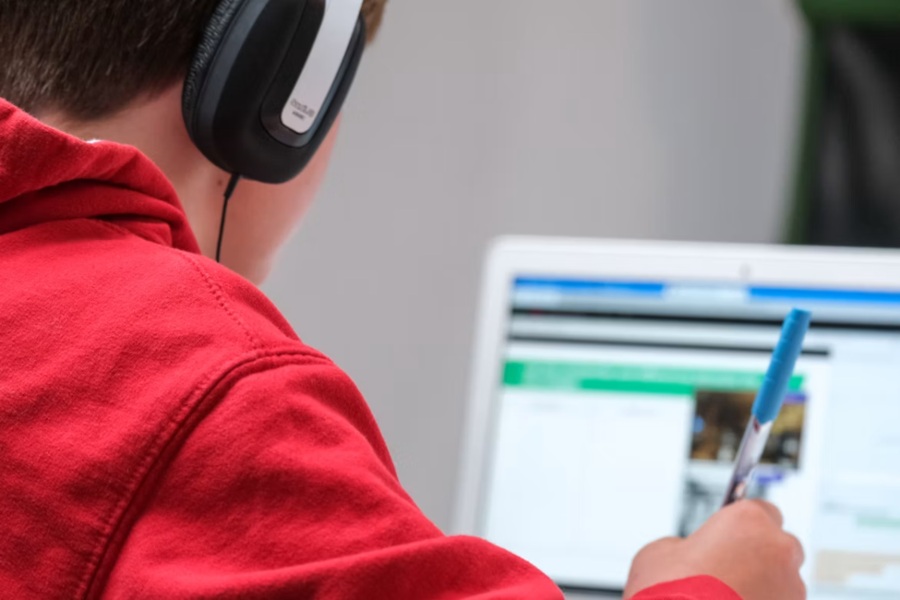
Campus computer labs are changing fast. Campus tech teams face huge pressure to deliver software to students anywhere. This shift changes how students access their coursework from home. Remote access is now a normal expectation.
Heavy engineering programs and basic design tools must run smoothly on any device. Technology makes this setup possible without packing labs with expensive hardware pieces. Universities save money and improve student experiences.
Demystifying Modern App Delivery
Universities want to make learning flexible for everyone. When schools choose to virtualize applications for their students, they remove physical barriers to education. This shift changes how IT departments manage license deployment across departments. It opens up new ways to study outside the classroom.
Students do not need to sit in a specific basement lab anymore. They can open heavy software directly through a standard web browser on their personal machines. This setup keeps the processing strain off individual laptops completely – meaning older devices work perfectly. Learning happens at coffee shops or dorm rooms.
The system streams the software on demand to the user’s device. It acts like a local installation but runs via central cloud servers. Security updates happen instantly behind the scenes without user interaction. Students always use the correct version.
The Shift From Traditional Computer Labs
Maintaining hundreds of desktop computers costs universities a lot of money. Hardware gets old within 3 years and requires manual updates from busy staff members. A recent academic review examined how higher education systems deployed these tools to boost operational efficiency. This research highlights the financial strain of physical hardware.
Cloud solutions lower the need for massive physical infrastructure on campus grounds. Students bring their own devices to classrooms instead of relying on school property. This trend reduces hardware waste and saves energy significantly. Spaces can be used for open collaboration instead.
IT teams can reallocate their budgets to other digital student services. They spend less time troubleshooting broken monitors or fixing sticky keyboards every morning. Staff can focus on protecting student network data instead. This maximizes the productivity of university employees.
Understanding Virtual Desktop Infrastructure Versus Streaming
Many people confuse full desktop virtualization with targeted application streaming. A separate comprehensive review evaluated full desktop systems within academic environments. Full virtualization mirrors an entire operating system for the user. It requires a lot of backend power.
Targeted streaming delivers the specific software program required for the class task. This approach offers 3 distinct advantages for campus networks:
- Network bandwidth needs drop.
- Server storage requirements decrease.
- App startup times become faster.
Students experience fewer lag issues during intense processing tasks. The user interface feels completely native to their personal computers. Learning continues without technical interruptions or frozen screens. Class time is spent studying rather than troubleshooting.
Supporting Diverse Student Devices
College students own a massive variety of computers and operating systems. Some choose lightweight Chromebooks. Others prefer high-end gaming laptops or small tablets. Software delivery must accommodate all of these options smoothly. No student should feel left behind by hardware limitations.
Virtual delivery fixes compatibility issues across different operating platforms. A Mac user can run Windows-only software without installing separate partition tools. This creates an even playing field for every single student. Instructors can teach without worrying about device limits.
Students do not have to buy expensive machines just to complete their homework. Tech equity becomes a reality across the entire campus network. Everyone gets the same access to learning tools. This reduces the overall cost of attending college.
Managing Software Licenses Efficiently
Software licenses for specialized academic programs cost a fortune. Campus IT departments often struggle to track who uses which program at any given moment. Centralized delivery hubs solve this tracking problem completely. Management becomes transparent for the university.
Admins can assign software permissions based on specific course enrollment data. When a student drops a class, the license goes back to the general pool. This method prevents wasting expensive software seats on empty desks. Resources stay fully optimized throughout the semester.
University buyers can negotiate better terms based on real usage statistics. They see exact data on when programs are active. Smart tracking saves institutions thousands of dollars annually. These savings can lower student lab fees.
Improving Campus Security Protocols
Data protection remains a massive task for modern university networks. Physical lab computers can become entry points for malicious malware infections. Centralizing software delivery isolates these threats to secure servers. The campus perimeter stays locked tight.
Student data stays stored safely in the cloud rather than on local drives. If a student loses their laptop, campus data remains completely protected. IT teams can wipe access privileges instantly. This keeps sensitive records away from bad actors.
Updates and security patches roll out across the network simultaneously. Users always access the most secure version of their required programs. Security management becomes a proactive task. System vulnerabilities disappear before anyone can exploit them.
Scaling Solutions For Future Growth
Student enrollment numbers change constantly from semester to semester. Physical labs cannot expand their walls to fit extra student desks. Virtual infrastructure scales up instantly to meet new student demands. Growth happens without spatial limitations.
Institutions can add hundreds of virtual users during peak finals weeks. The network adjusts resources automatically to handle the heavy traffic load. Systems scale back down when summer break arrives. This flexibility prevents server crashes during crucial testing periods.
Distance learning programs expand without requiring new physical building construction. Remote students get the exact same resources as people living on campus. Education becomes truly borderless for global learners. Universities can reach people anywhere in the world.
Modern campus environments demand flexible technology solutions. Delivering software through the cloud supports students exactly where they study. This approach keeps academic resources accessible around the clock. Learning never stops when the campus closes.
Embracing these systems prepares universities for future tech shifts. Clever delivery methods keep campuses running efficiently all year long. The future of education relies on smart delivery. Technology paves the way for better academic outcomes.