
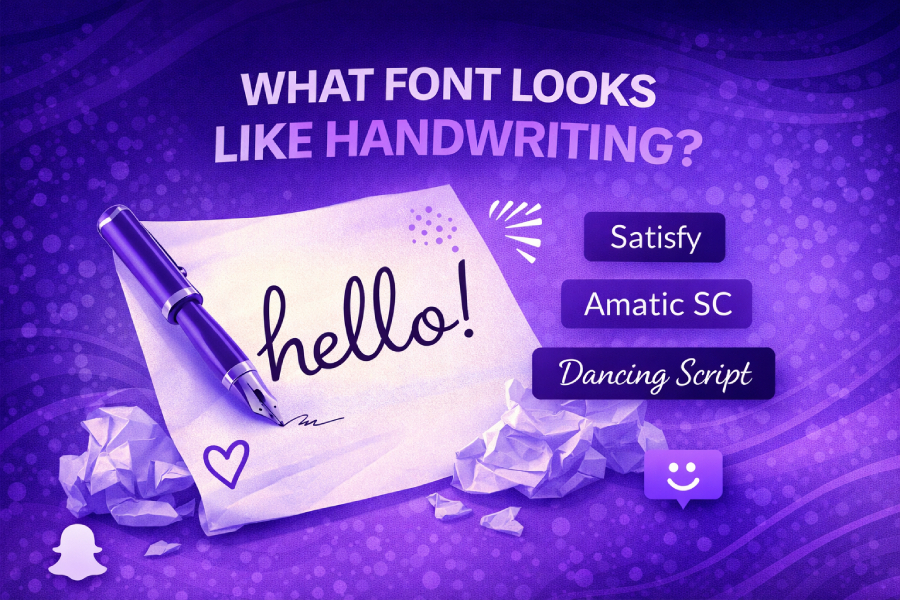
Handwritten fonts can bring an authentic, personal touch to your designs. They are perfect for adding warmth and personality to your creative projects, whether it’s a wedding invitation, a logo, or a social media post. These fonts mimic the spontaneous, imperfect nature of real handwriting, which helps create an emotional connection with the audience.
The charm of handwritten fonts lies in their ability to convey personality and humanize digital content. They are available in a variety of styles—from elegant calligraphy to casual scribbles. When used appropriately, these fonts can elevate any design, making it feel more relatable and engaging.
In this article, we’ll dive deep into the best handwritten fonts that mimic real handwriting and discuss when and how to use them. We’ll also cover tips for pairing these fonts with other typefaces to create a balanced, visually appealing design.
What Are Handwritten Fonts?
Handwritten fonts are digital typefaces designed to replicate the appearance of handwriting. These fonts range from neat, legible styles to more expressive and free-form letterforms. Some handwritten fonts aim for precision, while others embrace imperfections, giving them a more artistic and casual vibe.
A good handwritten font can add life to your designs, making them feel more human and approachable. Popular fonts like Patrick Hand and Aguafina Script give off a sense of casualness, while fonts like Amoretti and Tequila and Tacos are bolder and more expressive. Depending on your project, you’ll need to choose a font that fits the tone and message you want to convey.
Handwritten fonts work well for many design types, from logos and invitations to websites and marketing materials. Their versatility makes them a staple in any designer’s toolkit. However, they are most effective when used thoughtfully—too much handwritten text can compromise readability. For a more professional selection of fonts, you can use professional font tools for modern designers.
Types of Handwritten Fonts
Handwritten fonts are categorized into several styles, each suited for different types of projects. Some of the most popular types include casual handwritten fonts, calligraphic fonts, brush fonts, and script fonts.
- Casual Handwritten Fonts: These fonts resemble everyday handwriting, often used for informal projects. Fonts like Patrick Hand and Permanent Marker are great examples. They add a friendly, approachable feel to designs and are perfect for social media posts or casual invitations.
- Calligraphic Fonts: These fonts are more decorative and elegant. Calligraphic fonts mimic the strokes of a traditional pen or brush, making them ideal for formal invitations, wedding stationery, or luxury branding. La Belle Epoque is a popular calligraphic font known for its stylish curves.
- Brush Fonts: These fonts are inspired by the strokes made with a brush pen. They have a bolder, expressive look and are used for designs that require a creative, artsy vibe. Fonts like Brush Script and Amoretti are great examples.
- Script Fonts: Often flowing and connected, script fonts have a cursive look. They are elegant and ideal for formal occasions like weddings or high-end branding. Dancing Script and Pacifico are examples of script fonts that create an elegant yet approachable look.
The right handwritten font can set the mood for your design and convey the message you want to share. Whether you need something casual or refined, the right font will enhance the overall design. For more insights on font selection, you can refer to how to change font in WordPress.
When to Use Handwritten Fonts in Design
Handwritten fonts are best used in specific design contexts that evoke emotion, creativity, or authenticity. Here are some common use cases for handwritten fonts:
- Invitations and Greeting Cards: Handwritten fonts add a personal touch to invitations and greeting cards. Fonts like Aguafina Script and Patrick Hand help create a warm, inviting atmosphere.
- Social Media and Branding: Handwritten fonts are commonly used in branding to give a brand a more personal and relatable feel. Fonts like Amoretti, Tequila, and Tacos can make your branding more engaging and humanize your message.
- Web Design: For websites, handwritten fonts can be used for headers, call-to-action buttons, or testimonials. However, when using handwritten fonts for body text, make sure the font is legible and easy to read.
- Marketing and Ads: Handwritten fonts are also used in advertisements to create an informal, inviting feel. Whether it’s for a casual campaign or a more creative, artistic ad, a handwritten font adds a layer of warmth and personal connection.
Handwritten fonts are ideal for designs that need to feel authentic and personal. But it’s important to use them sparingly in body text to maintain readability. Additionally, learning more about transforming healthcare operations through font choices can help your brand adapt to various audiences.
How to Choose the Right Handwritten Font
Choosing the right handwritten font depends on several factors, such as the project’s design purpose, audience, and tone. Here are a few tips for selecting the perfect handwritten font:
- Consider the Project’s Tone: If you’re working on a formal project, opt for an elegant calligraphic font like Aguafina Script. For more casual projects, a font like Patrick Hand or Tequila and Tacos will work better.
- Focus on Legibility: While handwritten fonts can be creative and artistic, they should remain readable, especially for larger blocks of text. Choose fonts that strike a balance between style and legibility.
- Pairing with Other Fonts: Handwritten fonts can work well when paired with other typefaces. For example, pairing a decorative handwritten font with a simple sans-serif font can create a nice contrast while maintaining readability.
By following these tips, you can select a handwritten font that enhances your design and ensures your project is visually appealing and readable.
Handwritten Fonts for Branding
When it comes to branding, handwritten fonts can make your brand feel more personal and authentic. They add warmth and individuality, helping your brand stand out in a crowded marketplace. Here’s how to choose the right handwritten font for branding:
- Know Your Brand: The font you choose should reflect your brand’s personality. For a fun, quirky brand, go for a playful font like Tequila and Tacos. For a more refined, professional brand, Aguafina Script is a better fit.
- Consistency Across Platforms: Once you’ve chosen a handwritten font, use it consistently across all your branding materials. This helps build a cohesive brand identity and reinforces your message.
- Test for Readability: Ensure the handwritten font you choose is legible across platforms and sizes. While Aguafina Script looks beautiful at larger sizes, a font like Patrick Hand may work better for smaller text.
When used correctly, handwritten fonts can elevate your brand and create a unique identity that resonates with your audience.
Pairing Handwritten Fonts with Other Fonts
Handwritten fonts can be stunning on their own, but they can also benefit from being paired with other typefaces. Combining handwritten fonts with traditional fonts like serifs or sans-serifs can create a more balanced design. Here are some tips for pairing handwritten fonts:
- Use a Simple Sans-Serif Font: Pair a handwritten font with a simple, clean sans-serif font like Helvetica or Arial to create a balanced look. This allows the handwritten font to stand out without overwhelming the design.
- Pair with a Classic Serif: A classic serif font like Georgia pairs well with handwritten fonts for a more sophisticated and formal look. This combination works well for wedding invitations, certificates, and more.
By pairing handwritten fonts with complementary typefaces, you can create a harmonious and professional design.
Handwritten Fonts for Websites
When designing for websites, it’s important to consider how handwritten fonts will appear on different screen sizes and devices. For small text and long-form content, it’s best to stick with simple, legible handwritten fonts like Patrick Hand. These fonts ensure readability and ease of use on mobile and desktop screens.
For headings and call-to-action buttons, more decorative handwritten fonts like Tequila and Tacos can add a fun, engaging element to the website design. Just make sure that the font you choose aligns with your brand’s tone and purpose.
Using handwritten fonts for websites requires finding the right balance between style and functionality. It’s essential that the font you choose works well on all screen sizes and provides a seamless user experience.
Conclusion
Handwritten fonts offer a unique way to infuse creativity, personality, and authenticity into your designs. Whether you’re working on branding, invitations, or social media content, these fonts help convey emotion and create a deeper connection with your audience. By carefully choosing the right handwritten font, you can enhance your design and ensure it resonates with your target audience.
When using handwritten fonts, always consider the project’s tone, the font’s legibility, and the context in which it will be used. Additionally, pairing handwritten fonts with other typefaces can create a balanced and cohesive design that is both stylish and functional.