
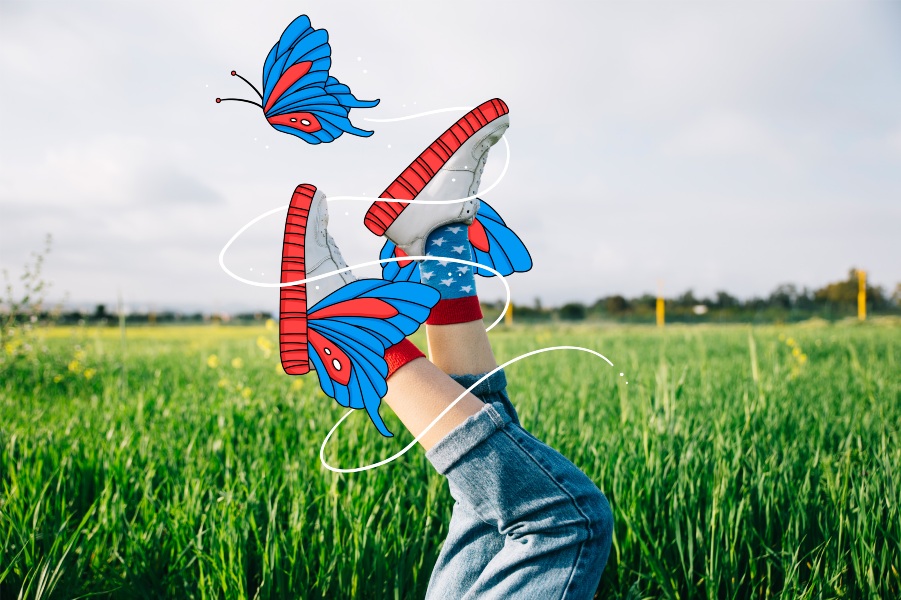
Designers spent decades focusing mostly on typography to carry a brand message. Beautiful lettering captures attention, but modern digital spaces demand something more immersive. Combining bespoke photography with computer-generated graphics represents the next evolution in visual identity.
Shifting From Typography To Visual Assets
Letters alone no longer satisfy the expectations of modern web audiences. When developing layered graphics, the team behind deepdreamgenerator.com says that artists must look past basic filters to create deep texture utilizing AI tools. This perspective shifts the focus from simple text styling toward a fully integrated artistic layout, an approach that blends words and imagery completely.
Traditional brand assets often feel static when separated from text components. Merging custom illustrations with smart computer generation bridges this gap perfectly.
Creators can build unique visual themes that support their written copy without distracting from the main message.
Developing a unified look requires careful planning before production begins. Teams must decide how to balance raw photography with synthetic elements. A good balance keeps the final image looking intentional.
Mixing Human Craft With Algorithmic Generation
Human artists bring emotional depth and personal experience to a project. Merging these traits with algorithmic rendering creates a completely fresh style.
Brand alignment remains a critical part of this blending process. An educational platform lesson suggested setting up custom design policies so all machine art matches corporate rules. Having these boundaries keeps the output uniform across different marketing campaigns.
Without these standards, synthetic imagery can easily veer into strange territory. Setting up style parameters early saves hours of editing later. It gives artists a clear framework within which they can experiment.
Establishing Guidelines For Brand Consistency
Maintaining a steady look helps customers recognize a company instantly. Mixing custom imagery with algorithmic generation requires clear rules to avoid chaos. Creative teams should document specific rules before generating hundreds of assets.
A few critical items can keep your design files organized:
- Standardized color codes for uniform palettes
- Preferred prompt patterns for style replication
- Resolution minimums for final production outputs
Following these parameters prevents artistic drifting during long projects. It keeps the aesthetic tightly linked to the core identity of the business. Managers can easily onboard new designers when these technical checklists remain accessible.
Utilizing Interactive Elements In Media Materials
Visual layouts work best when they connect with the viewer on multiple levels. Modern projects combine text elements with bespoke art to build a deep narrative path. Static images no longer hold attention the way interactive formats do.
A research paper on computing education showed that training programs benefit greatly when combining text with bespoke pictures and interactive lessons. It demonstrates how graphics and text work together to improve learning.
Content developers apply these findings to commercial websites and educational applications. Blending motion graphics with static generated art yields excellent user retention. The text becomes part of an active discovery process for the viewer.
Software Tools Expanding Text Representation
Modern software applications make it easier to embed styled words directly into synthesized pictures.
Designers no longer need to overlay text manually after the graphic is generated. This saves 2 or 3 production hours during complex marketing setups, lowering operational costs by over $50 per project.
Online reports point out that a platform called Ideogram AI functions as a generation system that uses artificial intelligence to build graphic content.
This development permits creators to weave custom fonts directly into the fabric of the image itself. The resulting graphic feels whole rather than pieced together from separate elements.
These tools eliminate the awkward borders that often appear when matching text to pixelated backgrounds. They analyze the surrounding lighting to match font shading automatically. Writers can focus on slogans, and the software handles composition details.
Preparing Graphics For Real World Use
Digital files must eventually transition into functional assets for corporate needs. Whether the goal is web publication or physical presentation, formatting matters immensely. Designers must check resolution scales to avoid pixelated results during scaling.
Combining human sketches with computer outputs requires a careful saving process. Storing files in vector formats preserves the clean edges of custom fonts.
Failing to verify these export settings can ruin days of hard work. High-resolution files demand significant storage but deliver far better client satisfaction. Final checks protect the integrity of the combined design assets.
Moving past basic typography opens up incredible creative possibilities for modern brands. Blending custom photography with advanced machine assets forms a powerful visual language.
This method gives companies a distinct voice in a crowded online world. Investing time into this unified approach will elevate graphic design strategies, positioning early adopters as leaders of the next digital generation.