
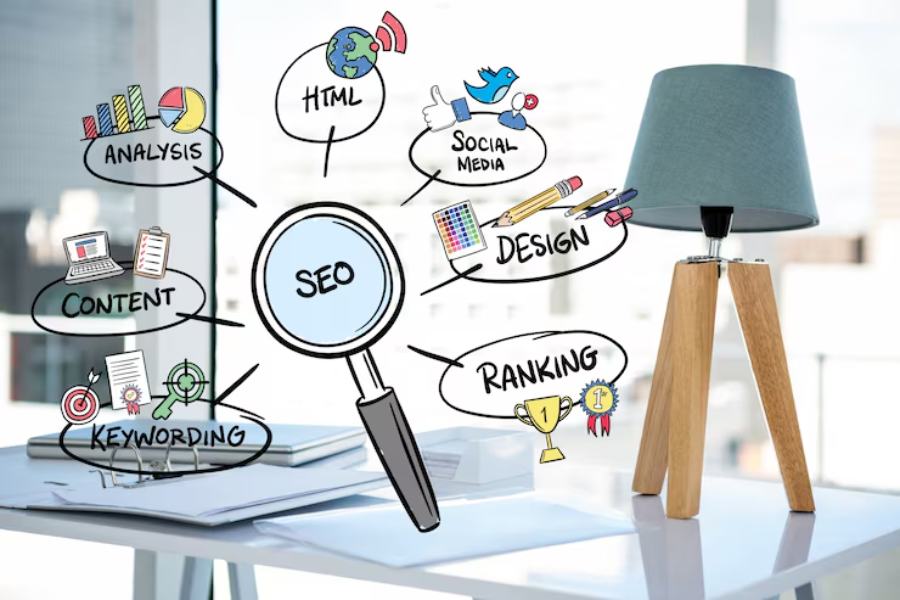
Typography is often seen as a purely visual design element, but in reality it plays a crucial role in how users interact with ecommerce websites. From improving readability to influencing search engine rankings and conversion rates, the way text is presented can significantly impact how visitors experience an online store.
Good typography enhances usability, builds trust, and helps search engines understand your content structure. When used strategically, it can guide users through product pages, highlight key information, and ultimately encourage purchases.
The Role of Typography in Ecommerce Websites
Typography refers to the style, size, arrangement, and appearance of text on a webpage. In ecommerce, typography influences how easily visitors can browse products, read descriptions, and navigate categories.
Research shows that poor typography can create a negative impression and hurt sales because users quickly leave websites that are difficult to read or visually cluttered. On the other hand, clear and structured typography improves usability and encourages users to explore further.
Effective ecommerce typography focuses on three core principles:
- Readability – Text should be easy to read on all devices.
- Visual hierarchy – Important information should stand out clearly.
- Consistency – Fonts and styles should remain consistent across the site.
When these elements are implemented correctly, typography becomes a powerful tool for both SEO and conversions.
How Typography Influences Ecommerce SEO
Many website owners overlook typography when thinking about SEO. However, typography directly affects user experience, which is a major ranking factor for search engines.
1. Improved Content Structure
Search engines rely on structured content to understand a page. Typography helps organize content through headings, subheadings, and formatted sections.
For example:
- H1 for product titles
- H2 for product features
- H3 for specifications
This hierarchy allows search engines to better understand the context of your content while helping users scan information quickly.
2. Better Readability Reduces Bounce Rate
If users struggle to read text due to poor typography, they often leave the page quickly. High bounce rates signal to search engines that a page may not provide a good user experience.
Readable fonts, proper spacing, and balanced line lengths improve engagement and keep users on the page longer, which can positively influence rankings.
3. Mobile Optimization
Mobile commerce continues to grow rapidly. Typography that is optimized for mobile devices ensures that text remains clear and accessible on smaller screens.
Key typography practices for mobile include:
- Larger font sizes
- Proper line spacing
- High color contrast
These elements improve user experience and align with Google’s mobile-first indexing approach.
Typography’s Impact on Conversion Rates
Typography not only helps with SEO but also plays a major role in influencing purchasing decisions.
1. First Impressions and Trust
Typography is one of the first elements visitors notice when landing on a website. Clean and professional fonts immediately communicate credibility, while messy typography can make a website appear unreliable.
For ecommerce brands, trust is critical. Customers are more likely to buy from websites that feel polished and professional.
2. Scannable Product Pages
Online shoppers rarely read content word-for-word. Instead, they scan pages for key details such as price, benefits, and product features.
Typography helps improve scannability by using:
- Bullet points for product features
- Bold text for key benefits
- Clear headings for product sections
- Short paragraphs for descriptions
This structure allows users to quickly absorb information and make purchasing decisions.
3. Strong Calls-to-Action
Typography also influences how users respond to calls-to-action such as “Add to Cart” or “Buy Now.”
Effective CTA typography includes:
- Larger font sizes
- Contrasting colors
- Bold styling
- Clear wording
These visual cues help guide users toward the next step in the buying process.
Choosing the Right Fonts for Ecommerce
Different fonts evoke different emotions and brand perceptions. Choosing the right typeface is essential for maintaining brand consistency while improving usability.
Some commonly used ecommerce fonts include:
- Sans-serif fonts such as Montserrat or Helvetica for modern brands
- Serif fonts like Playfair Display for luxury stores
- Geometric fonts for minimalist designs
The best ecommerce sites often combine fonts strategically. For example, Playfair Display may be used for headings while a clean font like Lato is used for body text to maintain readability.
Best practices for font selection include:
- Use two or three fonts at most
- Maintain consistent sizes and spacing
- Ensure fonts are optimized for web performance
Best Typography Practices for Ecommerce Stores
To maximize the impact of typography on SEO and conversions, ecommerce websites should follow a set of proven design practices.
1. Maintain a Clear Visual Hierarchy
Use different font sizes and weights to highlight important elements:
- Product titles
- Price information
- Customer reviews
- Calls-to-action
This hierarchy guides users through the page naturally.
2. Optimize Line Length and Spacing
Long lines of text reduce readability. Ideally, a line should contain around 50–60 characters to ensure comfortable reading.
Proper spacing between lines and paragraphs also prevents visual clutter.
3. Use Contrast to Improve Accessibility
Typography should always be easy to read. High contrast between text and background ensures accessibility for all users.
Examples include:
- Dark text on light backgrounds
- Clear link colors
- Readable font weights
4. Maintain Brand Consistency
Consistent typography strengthens brand recognition. When fonts change frequently across pages, it creates confusion and reduces trust.
Consistency should apply to:
- Font families
- Heading styles
- Button text
- Navigation elements
The Role of SEO Expertise in Ecommerce Design
While typography improves usability and engagement, combining it with strong SEO strategies can significantly boost online visibility.
Working with a professional ecommerce seo company can help businesses optimize their websites for both search engines and user experience.
Agencies that specialize in ecommerce growth typically offer services such as:
- Technical SEO audits to improve website structure and indexing
- On-page SEO optimization for product pages and categories
- Content marketing strategies that improve organic traffic
- Conversion rate optimization (CRO) to turn visitors into customers
These services ensure that design elements like typography work together with SEO strategies to improve rankings and sales.
The Future of Typography in Ecommerce
As ecommerce continues to evolve, typography will become even more important. Modern trends such as responsive design, mobile commerce, and accessibility standards all depend heavily on readable and structured typography.
Emerging typography trends include:
- Variable fonts for improved performance
- Minimalist text layouts
- Bold headline typography
- Interactive typography for better engagement
Brands that invest in thoughtful typography not only improve the visual appeal of their websites but also enhance usability and search performance.
Conclusion
Typography is far more than a design choice—it is a critical component of ecommerce success. From improving readability and site navigation to enhancing SEO and increasing conversions, typography directly influences how users interact with an online store.
Clear font choices, proper spacing, and structured content help visitors quickly find information and build trust with a brand. When combined with strong SEO strategies, typography can significantly improve both search visibility and revenue.
For ecommerce businesses aiming to stand out in competitive markets, investing in thoughtful typography and expert optimization strategies can make a measurable difference in long-term growth.