
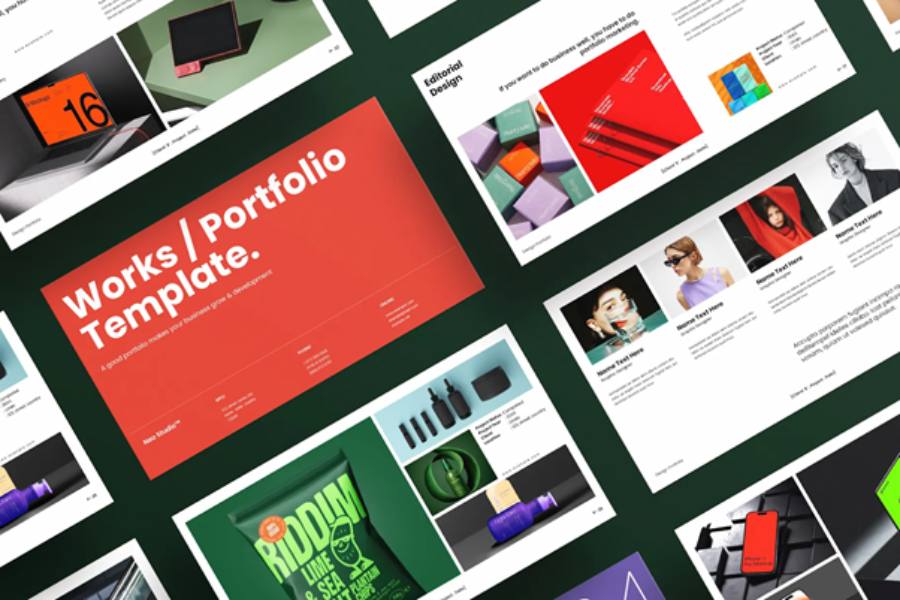
The first freelance portfolio I made looked good to me, even though it was just a collection of links. It helped me land several clients: not the ones I really wanted, but I settled for them for a while.
Eventually, like Frodo leaving the Shire, I realized staying comfortable wouldn’t take me where I wanted. I had to rebuild my portfolio to show the problems I solve in a specific niche and the results I bring.
And it worked.
In this guide, I’ll share how to make a portfolio that helps you land projects you’re excited to start on Monday.
Why Clients Really Look at Your Portfolio
If a potential client is scrolling through your freelance portfolio, they are already in evaluation mode, trying to decide whether they should hire you.
It’s tempting to showcase the projects you are most proud of. But clients want to know: has this person helped a business like mine grow, improve performance, or save time?
- Show what changed because of your work: higher traffic, better conversions, stronger engagement, or other measurable results.
- Keep project descriptions clear, case studies structured, and formatting consistent. It makes your portfolio easier to understand.
- Include case studies that match the client’s industry and show clear outcomes. They tend to perform better than portfolios for freelancer work that simply display tasks.
Core Elements Every Portfolio Must Include
Staring at a screen and trying to decide what goes in your portfolio is a massive headache. But it gets easier once you flip the perspective: your freelance portfolio needs to answer a client’s questions:
- Have they handled a mess like mine before?
- Do they get what I’m actually trying to achieve?
- Can I trust them to deliver?
Five key elements help your portfolio answer these questions and build trust with clients.
| Element | What it is | Why it matters |
| Positioning Statement | It is a clear and concise sentence describing who you help, what you do for them, and the unique value you deliver | It helps clients see if you’re the specialist they need |
| 3–6 Curated Case Studies | Break down a few projects: the challenge, your solution, the process, and the measurable results | Convince clients by showcasing real impact and highlighting your problem-solving mindset |
| Measurable Results | Specific success metrics from your projects (+47% conversions, saved 20+ hours/week) | Clients see the ROI, which removes doubt and makes the value of your work clear |
| Testimonials | Short, positive reviews from real clients (with names, photos, or company logos) that back up the quality of your work | Social proof cuts down decision time and often сlinches the hire |
| Clear Contact CTA | A clear and easy way for clients to contact you (like “Book a call” or “Email me”) | Guides interested clients to their next step without friction |
Fewer strong projects beat a long list of average ones. Clients don’t have time to scroll forever. Make their job easy: create a portfolio with 3-5 well-presented, relevant case studies.
How to Create a Portfolio That Attracts Ideal Clients
Let’s get into the nitty-gritty. This step-by-step guide walks you through creating a portfolio that wows clients.
Step 1 – Define Your Niche and Target Client
If you want to understand how to create a portfolio that attracts clients, start with defining your target clients’ industry (e.g., EdTech), budget range ($5k+ projects), and the problems you solve – like growing course enrollments 25% through email flows.
And yes – I had to ruthlessly cut case studies that didn’t fit the target niche.
Step 2 – Select and Refine Your Best Work
How to make a portfolio stand out? Pick 3-5 cases using these criteria:
- they show clear problem → process → result arcs,
- pack measurable impact,
- and reflect the high-value work you want more of.
You create a portfolio to land the right clients, not impressive-but-irrelevant gigs. If a project does not check at least two of those three boxes, leave it out, no matter how proud you are of it.
No client work yet? Get creative: build a mock project for a brand in your target niche, polish old samples into case studies, or offer a discounted pilot to a client.
Step 3 – Turn Projects into Case Studies (Not Just Samples)
Transform your projects into case studies with this simple structure for your freelance portfolio:
- Client background
- Their challenge
- Your solution
- Measurable results
- Visual proof (before/after metrics, or product visuals).
A case study works as a story: the client recognizes the problem, follows your solution, and imagines the same successful result for their business. And that crafts an outcome-focused portfolio for a freelancer that looks convincing.
Step 4 – Format and Organize Your Portfolio Professionally
There isn’t one way to present your work. Pick a format that helps your case studies stand out and fits the way you pitch clients:
- Personal website
- Behance / Dribbble
- Google Drive folder
- PDF portfolio
If you go the PDF route, keep these in mind:
- stay under 10–15 pages,
- keep branding and layout consistent,
- compress the file so it’s easy to send.
In 2026, sending a messy folder of attachments feels outdated. Instead, combine PDF case studies from different projects into a single document. I did this myself, and it made my portfolio more structured and easier to review.
Step 5 – Add Social Proof and Authority Signals
Hiring a stranger on the internet is always a bit of a gamble for a client. Social proof is the best way to lower the hiring risk: it shows that you’ve been hired before and have done good work.
Here’s what works best in your freelance portfolio:
- Testimonials
- Client logos
- Certifications
- Media mentions
- Metrics overview
I only had a couple of testimonials and client logos for my portfolio. And that was enough to begin.
Step 6 – Customize Your Portfolio for Different Clients
One freelance portfolio does not fit every pitch: a fintech startup probably doesn’t care much about the branding you did for a local bakery.
Here’s how to create a portfolio system that works across niches:
- build 2–3 variations of your portfolio tailored by industry,
- rearrange case studies depending on the proposal, with the most relevant work first,
- keep a modular PDF version that is easy to update.
Tip: Keep case studies as separate PDF files: rearrange and merge them for each proposal in minutes, so your freelance portfolio feels custom-built.
Where to Host Your Freelance Portfolio
Once you create a portfolio, choose where to present it based on how you find clients and share your work.
| Option | When it works best | What to keep in mind |
| Personal website | For freelancers actively marketing themselves and attracting inbound clients | Gives full control over structure, branding, and storytelling |
| Portfolio platforms | Useful for visibility inside creative communities, where people can discover your work without direct outreach | Less control over layout and positioning |
| PDF attachments | Ideal for pitching clients directly or attaching to proposals. Easy to customize | Must be concise and easy to read |
Many freelancers combine formats: a website for visibility and credibility, plus a PDF freelance portfolio version for pitches and proposals.
Conclusion
In 2026, a strong portfolio is a strategic tool that shows who you help, what problems you solve, and the results you deliver. The best portfolios are simple and easy to navigate.
When you create a portfolio, prioritize relevance over volume. Highlight projects that match your niche and explain the process behind the achieved results.
Your portfolio is never “done”: update it as new case studies roll in or your target clients shift.