
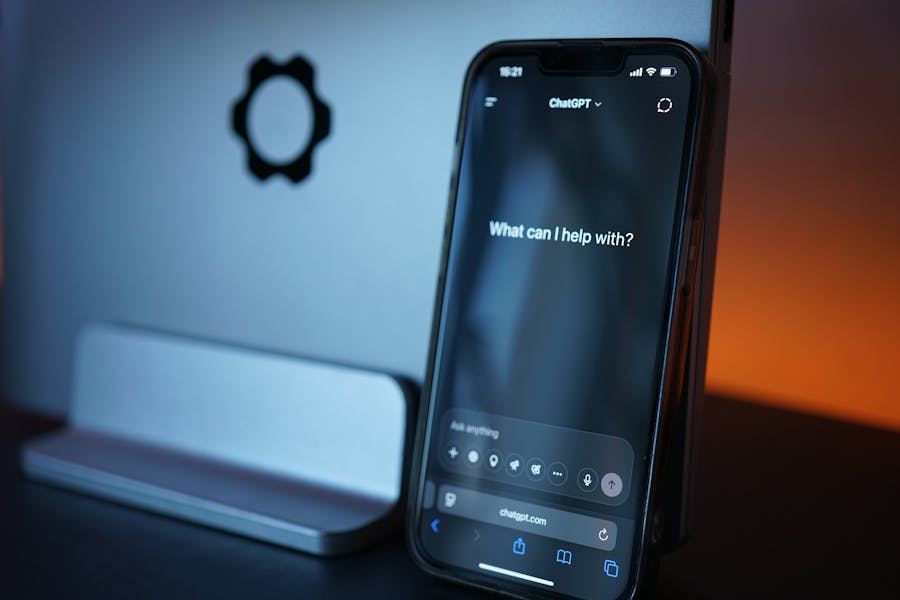
When we think about branding, we usually picture visuals, logos, color palettes, typography. But in today’s digital landscape, brand identity is increasingly defined by interaction. And nothing reflects that shift more than the rise of AI receptionists.
These systems don’t just answer questions, they represent your brand in real time. They speak, respond, guide, and engage. In many cases, they are the first “voice” a customer hears.
For designers, marketers, and digital creators, this raises an important question: What does it mean to design a brand that talks back?
The New Brand Interface: Conversation
Traditionally, design has been about controlling how a brand looks. But AI customer service introduces something more dynamic, how a brand behaves in conversation.
AI receptionists are configured to match brand tone and workflows:
- Interpret user intent
- Respond with clarity and tone
- Maintain consistency across interactions
- Reflect the personality of the brand
This transforms branding into a living system, where every interaction is part of the design.
Typography vs. Tone: A New Design Parallel
Designers understand that typography communicates feeling just as much as words do. A serif font suggests tradition and trust. A clean sans-serif feels modern and efficient. AI receptionists operate in a similar way, but through language instead of letterforms.
Think of it like this:
- Typography = visual tone
- AI conversation = verbal tone
Both must align.
If your website uses minimal, elegant typography but your AI assistant responds in a casual, overly playful tone, the experience feels disconnected. The same principle applies in reverse. Consistency is no longer just visual, it’s experiential.
Designing for Clarity and Readability, In Speech
Good typography prioritizes readability. The same principle applies to AI-driven communication.
A well-designed AI receptionist should:
- Use concise, easy-to-understand language
- Avoid unnecessary complexity
- Guide users naturally through interactions
- Reduce cognitive load
In many ways, writing for AI is like designing a clean interface, it’s about removing friction. This is where conversational design overlaps with UX writing, microcopy, and even typographic hierarchy. The goal is the same: make information effortless to consume.
The Role of Structure in AI Conversations
Typography relies on structure, headings, spacing, alignment. Without it, even great content becomes difficult to read.AI conversations also require structure, even if it’s invisible.
A strong AI receptionist:
- Breaks down information into digestible steps
- Anticipates user needs
- Guides the flow of interaction
- Maintains logical progression
This is essentially information architecture in motion. Designers who understand hierarchy and layout already have a head start in shaping effective AI interactions.
Brand Personality in a Conversational World
Every brand has a personality. Traditionally, that personality is expressed visually and through copy. Now, it must also be expressed in real-time dialogue.
Should your AI receptionist sound:
- Formal and professional?
- Friendly and conversational?
- Efficient and direct?
The answer depends on your brand, but the key is consistency.
AI receptionist solutions demonstrate how businesses can configure the AI to match their tone and workflows, ensuring that automated interactions still feel aligned with the brand experience customers expect.
Designing for Trust
Trust is a core component of both typography and AI communication.
In design, trust is built through:
- Consistency
- Clarity
- Professional presentation
In AI interactions, it’s built through:
- Accurate responses
- Predictable behavior
- Transparent communication
If an AI receptionist gives unclear or inconsistent answers, it erodes trust, just like poor design does.
The Invisible Design Layer
One of the most interesting aspects of AI receptionists is that much of their “design” is invisible.
Users don’t see:
- The decision trees
- The training data
- The integrations behind the scenes
What they experience is the result: a smooth, helpful interaction. This is similar to great typography, when it’s done well, you don’t notice it. You just read.
The Future: Multimodal Brand Expression
As AI continues to evolve, brand interaction will become increasingly multimodal, a blend of visual, textual, and conversational elements.
Designers will need to think beyond static assets and consider:
- How a brand sounds
- How it responds
- How it guides users through tasks
AI receptionists are just the beginning. The rise of AI customer service marks a shift from designing what users see to designing how brands interact. This is an opportunity.
The same principles that guide great typography- clarity, consistency, hierarchy, and tone, are now shaping the future of AI-driven communication. In a world where brands can speak, design is no longer just visual. It’s conversational!