
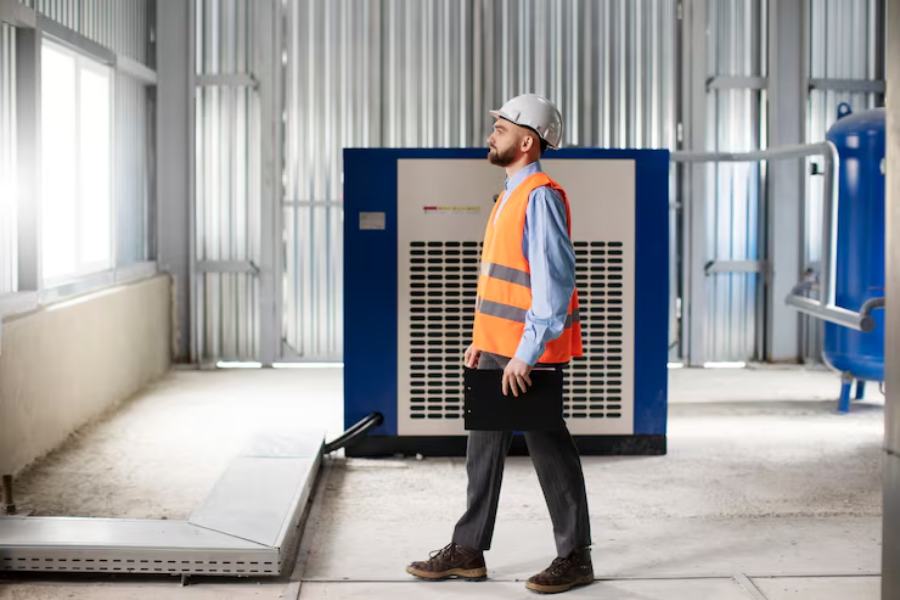
Managing the heating, ventilation, and air conditioning (HVAC) systems in commercial buildings is no small task. Large-scale HVAC systems are complex, handling the climate control needs of offices, retail spaces, hospitals, and industrial facilities. Without proper care, these systems can become inefficient, costly, and even risky for building occupants. A proactive approach ensures comfort, safety, and energy efficiency while reducing unexpected downtime. This article outlines the essential steps for maintaining large-scale HVAC Services & systems in commercial buildings.
Understanding the Importance of Routine HVAC Maintenance
Routine maintenance is crucial for extending the lifespan of commercial HVAC systems. Unlike residential units, commercial systems operate for longer hours and cover larger spaces, placing greater demand on components. Neglecting maintenance can lead to increased energy consumption, more frequent repairs, and a higher risk of system failure. Building managers who prioritize HVAC upkeep not only save on operating costs but also ensure a healthier environment for occupants.
A well-structured commercial HVAC maintenance checklist serves as a roadmap to systematic care. This checklist helps facility managers and HVAC technicians identify critical areas that require regular attention.
Step 1: Regular Inspection of System Components
One of the first steps in maintaining a commercial HVAC system is conducting thorough inspections. Key components to monitor include:
- Air filters: Dirty filters restrict airflow, forcing the system to work harder and increasing energy costs. Filters should be inspected monthly and replaced as needed.
- Ductwork: Leaks or blockages in ducts reduce efficiency and distribute dust and allergens. Inspect ducts at least twice a year.
- Belts and motors: Worn belts or motors can cause mechanical failures. Check for wear and proper tension regularly.
Regular inspections allow early detection of minor issues before they escalate into major problems.
Step 2: Cleaning and Replacing Air Filters
Air filters are the first line of defense against dust, debris, and airborne contaminants. Clogged filters not only reduce air quality but also strain the system, leading to higher energy bills and potential breakdowns. For commercial buildings, filters should be cleaned or replaced every 30 to 90 days depending on usage and environmental factors. Incorporating this task into a commercial HVAC maintenance checklist ensures it is never overlooked.
Step 3: Monitoring Refrigerant Levels
Refrigerant is essential for cooling in HVAC systems. Low refrigerant levels can reduce efficiency, cause overheating, and damage the compressor. Facility managers should schedule regular checks to monitor refrigerant levels and repair leaks promptly. Proper handling of refrigerant is also critical to comply with environmental regulations.
Step 4: Inspecting Electrical Connections and Controls
Electrical components are integral to the operation of large HVAC systems. Loose connections, corroded wires, or malfunctioning controls can result in system failure or safety hazards. Regular inspections of electrical panels, fuses, and wiring help prevent costly outages and ensure the system operates safely.
Step 5: Cleaning Coils and Condensers
The evaporator and condenser coils in HVAC units are prone to dust, grime, and mold buildup, which reduces heat transfer efficiency. Cleaning these components improves airflow, maintains cooling performance, and extends the system’s lifespan. Commercial buildings often require professional coil cleaning at least once a year, but high-traffic or dusty environments may need more frequent attention.
Step 6: Lubrication of Moving Parts
Motors, bearings, and other moving parts in HVAC systems need regular lubrication to reduce friction and wear. Proper lubrication not only improves efficiency but also minimizes noise and prevents unexpected failures. Including lubrication in a commercial HVAC maintenance checklist ensures that no moving component is overlooked.
Step 7: Checking Thermostat Calibration
An inaccurate thermostat can lead to uneven heating or cooling, unnecessary energy consumption, and occupant discomfort. Facility managers should regularly verify that thermostats are calibrated correctly and functioning as intended. Modern commercial buildings may use smart thermostats or building management systems (BMS), which also require periodic checks to ensure optimal performance.
Step 8: Inspecting and Maintaining Humidity Control
Humidity levels play a significant role in indoor air quality and comfort. Commercial HVAC systems often include humidifiers or dehumidifiers to maintain proper moisture levels. Regular inspection and maintenance of these components prevent mold growth, corrosion, and discomfort for building occupants.
Step 9: Scheduling Professional Maintenance and Servicing
While in-house maintenance covers routine tasks, professional servicing is essential for complex issues. Certified HVAC technicians can perform in-depth inspections, test system efficiency, and troubleshoot problems that may not be apparent during regular checks. Annual or biannual professional servicing should be a key part of your commercial HVAC maintenance checklist.
Step 10: Keeping Detailed Maintenance Records
Documentation is crucial for efficient facility management. Maintaining detailed records of inspections, repairs, filter changes, and professional service visits helps track system performance and identify recurring issues. These records are also valuable for warranty claims and regulatory compliance.
Benefits of Following a Commercial HVAC Maintenance Checklist
Implementing a comprehensive maintenance checklist ensures systematic care, prevents overlooked tasks, and extends the lifespan of your HVAC system. Benefits include:
- Reduced energy costs: Well-maintained systems run efficiently, consuming less electricity.
- Fewer breakdowns: Proactive maintenance reduces unexpected downtime and repair costs.
- Improved air quality: Clean filters and ducts reduce pollutants and allergens.
- Longer system lifespan: Regular care prevents wear and tear that shortens equipment life.
- Enhanced comfort: Consistent temperature and humidity control improve occupant satisfaction.
Conclusion
Maintaining large-scale HVAC systems in commercial buildings is a continuous effort that demands attention to detail, planning, and regular execution. By following the essential steps outlined above, facility managers can optimize system performance, reduce operational costs, and provide a comfortable, healthy environment for occupants. And when units do eventually reach the end of their service life, decommissioned chillers, air handlers, and other heavy equipment can often be sold through plant machinery auctions rather than written off, recovering part of the original investment. A well-organized commercial HVAC maintenance checklist is the cornerstone of effective maintenance, ensuring that every critical component is monitored and cared for throughout the year.